
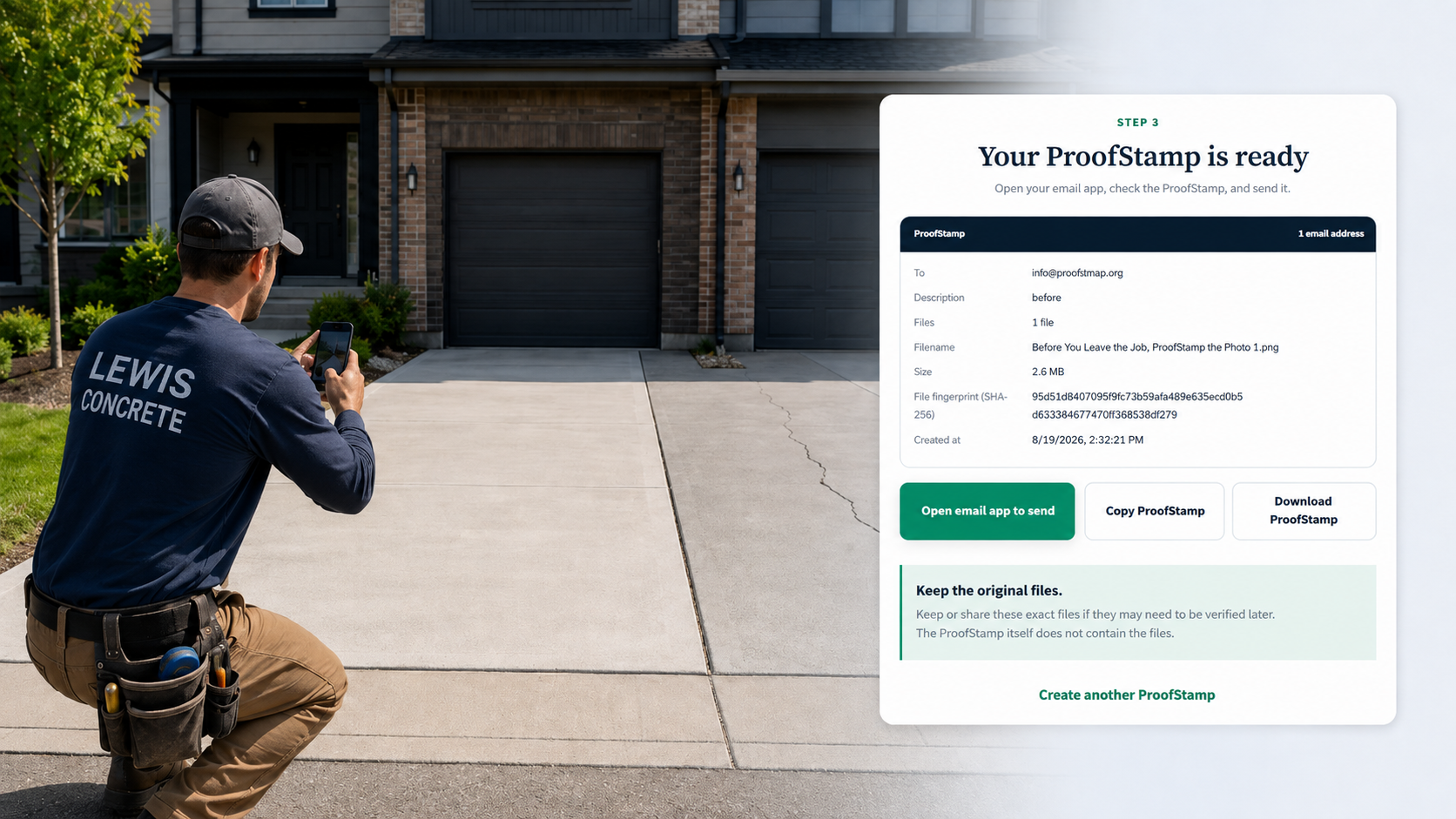
A contractor once described a simple dispute.
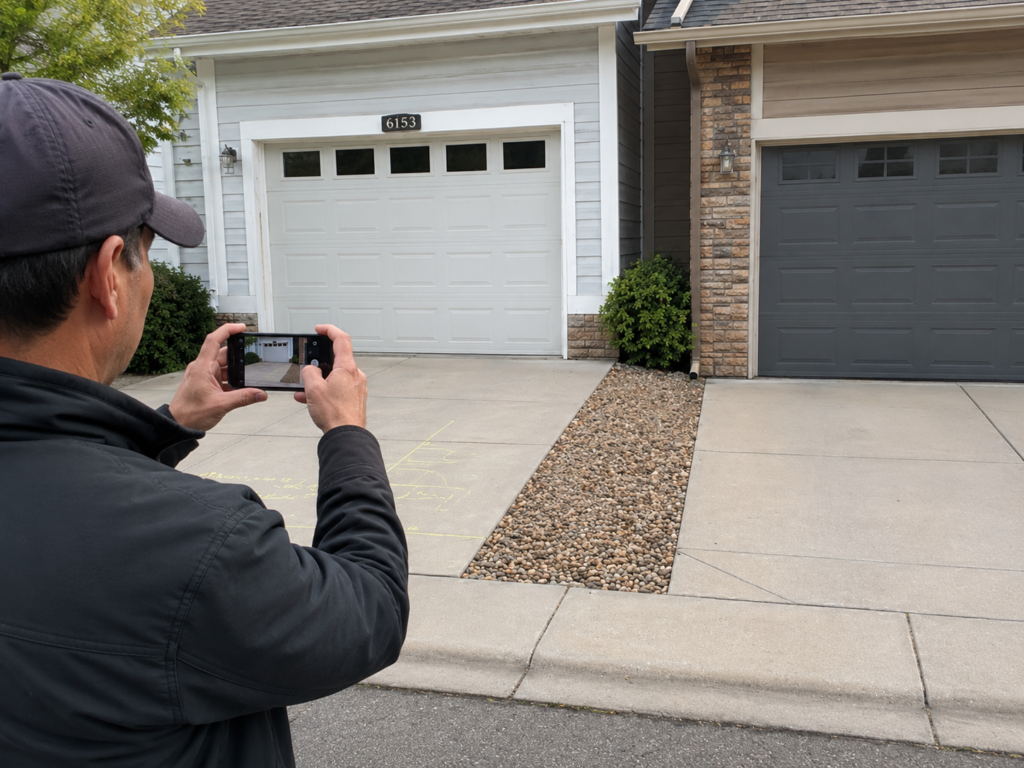
He removed a concrete slab. The next morning, a neighbour claimed the work had caused a crack in another slab.
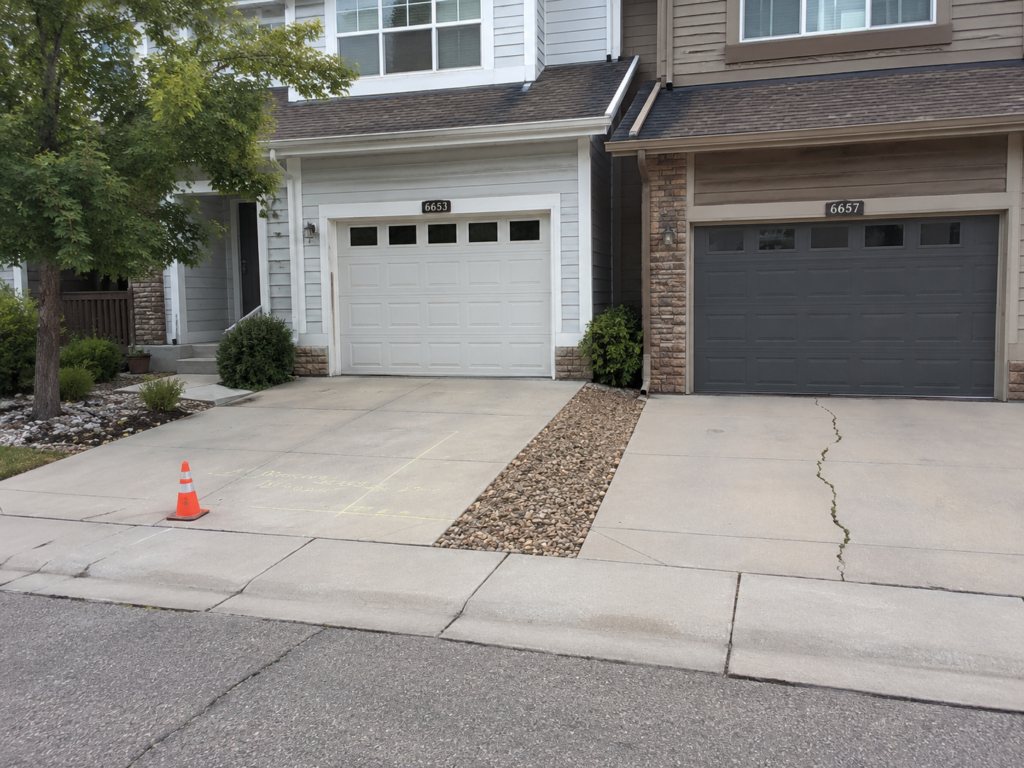
Fortunately, the contractor had a photo taken before the job started. The crack was already visible.
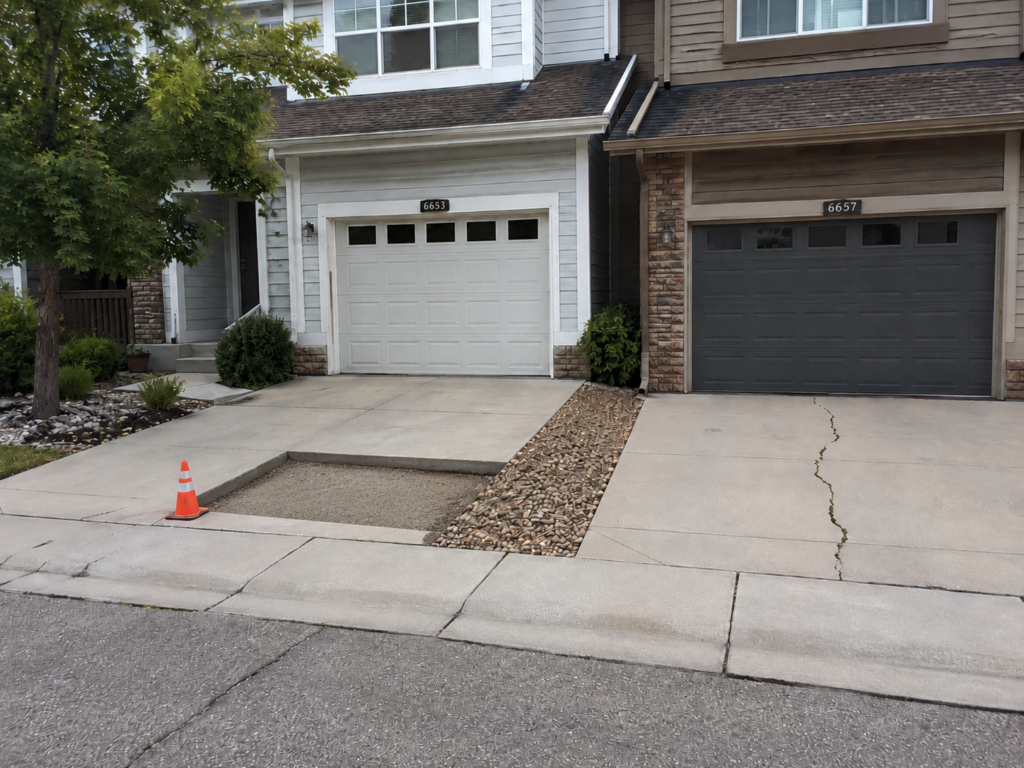
That photo changed the conversation.
The lesson is simple: keep evidence before it becomes important.
Take photos before and after the job
If you are a contractor, installer, cleaner, mover, mechanic, landscaper, or anyone working on someone else’s property, take a few photos before you start.
Then take photos again when the job is finished.
A simple routine:
- Photograph the existing condition.
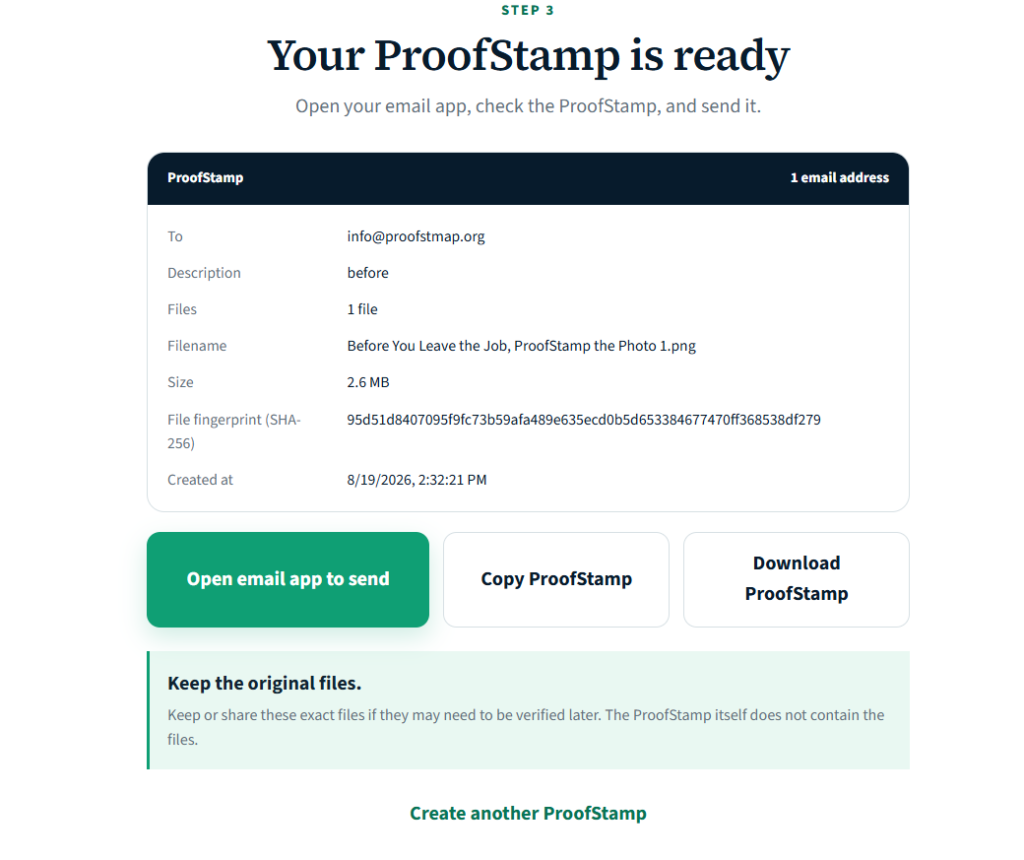
- ProofStamp the important photos.
- Send the ProofStamp to yourself and, when useful, to the client.
- Do the work.
- Photograph the finished job.
- ProofStamp those photos too.
- Keep the original files.
Sending the ProofStamp to the client can be useful because both sides receive the same record at the time of the job.
If someone later says a scratch, crack, stain, or other damage was caused by your work, you have a record of what was there before you started and what the job looked like when you left.
What a ProofStamp adds
A normal photo can be useful evidence.
A ProofStamp adds a separate record tied to that exact file. Your photo is fingerprinted on your device, and the ProofStamp can be emailed to you and the client.
Keep the original photo.
Later, the file can be checked against the fingerprint in the ProofStamp. If it matches, you can verify that it is the same file that was recorded earlier.
Keep the claim simple
ProofStamp does not prove where the photo was taken, what caused damage, or whether someone’s story is true.
It gives you one narrower fact:
this exact file existed in this form by the recorded time.
That can be useful when a disagreement starts weeks or months after the work was done.
Before the job. After the job. ProofStamp the photos.
Free. No registration. Your photos stay on your device.